





Pressure washing is one of the fastest ways to transform the look of a property. Driveways, paths, bluestone, decks and building walls can all come up looking almost new. But pressure washing done the wrong way can etch surfaces, strip paint or force water where it shouldn’t go. This guide explains what can be pressure washed, how often, and when to call a professional.
What can be pressure washed?
- Concrete driveways and paths: removes dirt, moss, oil and tyre marks.
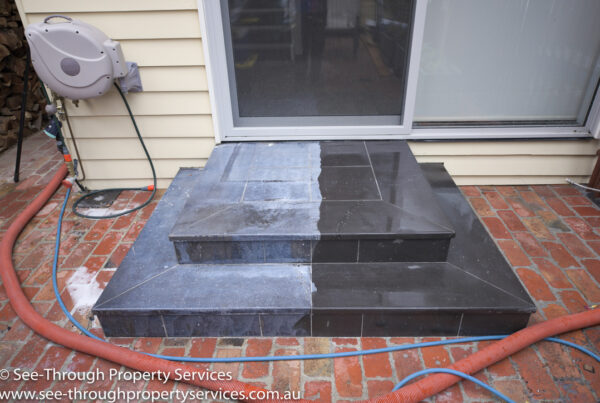
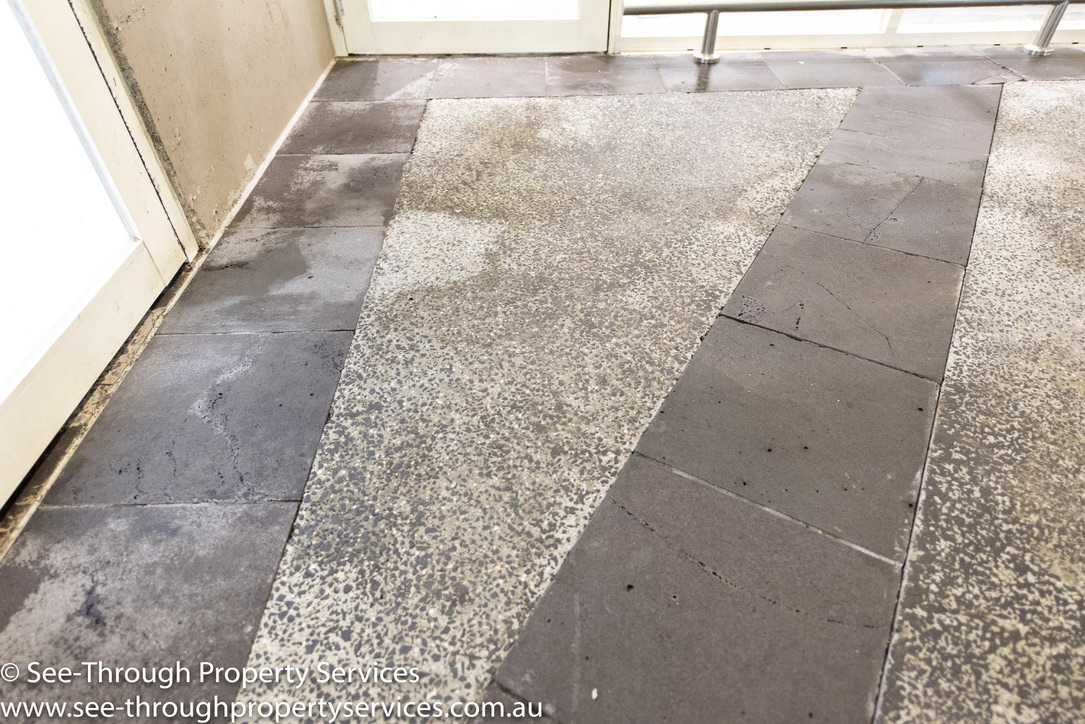
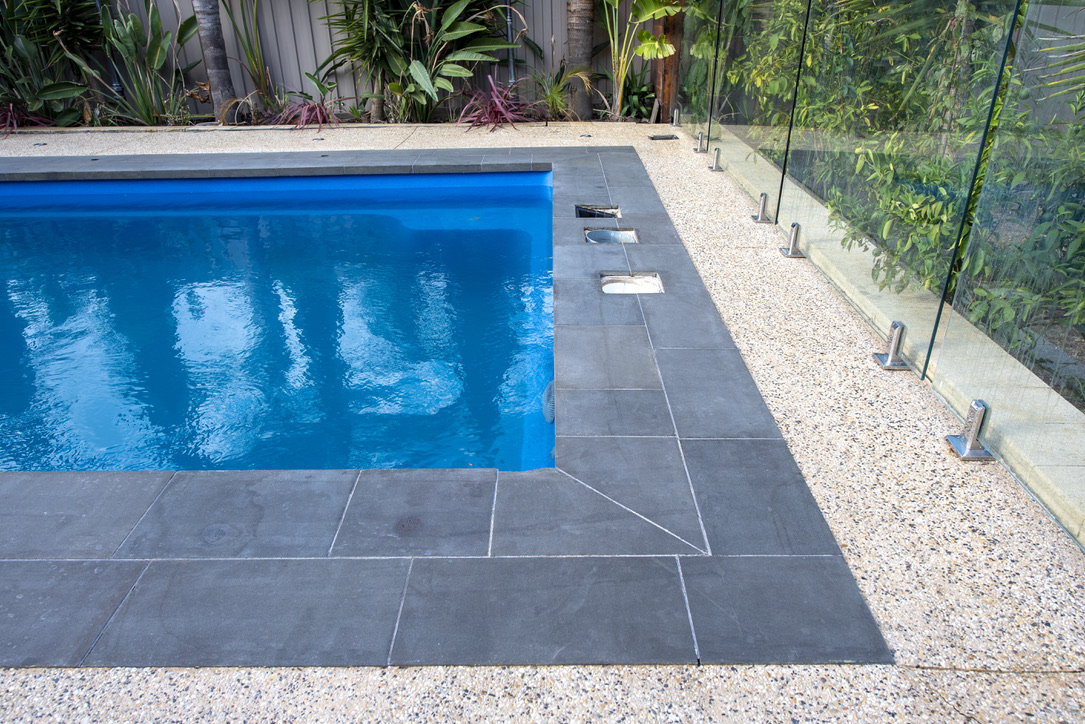
- Bluestone and natural stone: lifts grime and organic growth, but needs the right pressure and technique.
- Pavers: cleans the surface and joints, often followed by re-sanding and sealing.
- Building facades and walls: brick, render and cladding, using lower pressure or soft washing.
- Roofs: tile and metal roofs, usually with low pressure and treatments for moss and lichen.
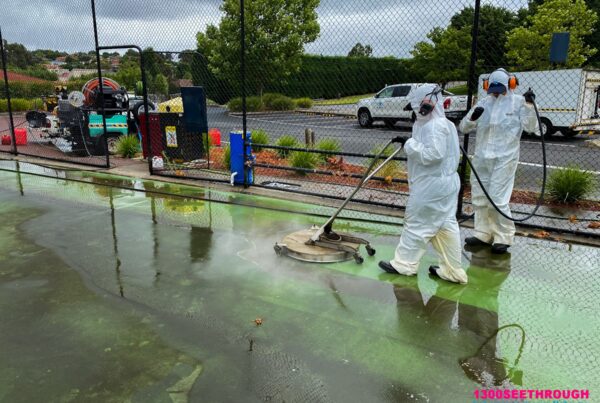
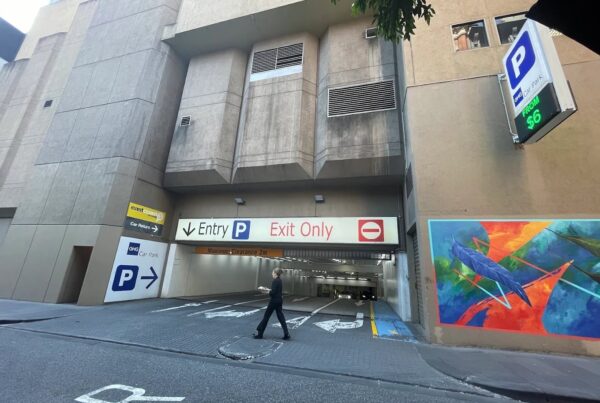
- Sports courts and car parks: restores colour and reduces slip hazards.
High pressure vs soft washing
Not every surface should be blasted with high pressure. High pressure is ideal for hard surfaces like concrete and car parks. Soft washing uses lower pressure combined with cleaning solutions, and is better for render, painted surfaces, roofs and delicate stone. Using too much pressure on the wrong surface can cause permanent damage.
How often should you pressure wash?
- Driveways and paths: once a year is enough for most homes.
- Shaded areas prone to moss and mould: more often, as they can become slippery.
- Commercial entries and car parks: every few months, depending on traffic.
- Building facades: every one to three years, or before painting.
DIY or professional?
Hiring a pressure washer for a small path can work, but there are risks: etched concrete, damaged mortar, stripped paint, water forced into window frames and injuries from high-pressure spray. Professionals use commercial equipment with surface cleaners, hot water units and the right pressure for each surface, and they know how to manage runoff.
Tip: after pressure washing bluestone or pavers, consider sealing them. A good sealer makes future cleaning much easier and helps prevent stains.
Things to check before pressure washing
- Is the surface strong enough for high pressure?
- Are there loose pavers, cracks or failing mortar?
- Will water run into gardens, drains or neighbouring properties?
- Are windows, doors and electrical fittings protected?
- Is the area clear of cars, furniture and pot plants?
Pressure washing in Melbourne
See-Through Property Services provides pressure washing in Melbourne for homes, schools, strata buildings and commercial properties, including driveways, bluestone, facades, roofs, sports courts and car parks. Read our bluestone sealing guide, or call 0450 149 494 for a free quote.
Talk to Melbourne's cleaning specialists
From pressure washing and floor care to deep cleaning and waste chutes, our team is ready to help. Get a free, no-obligation quote today.